
IV Hydration vs. Water: Which Works Best for Recovery and Energy?
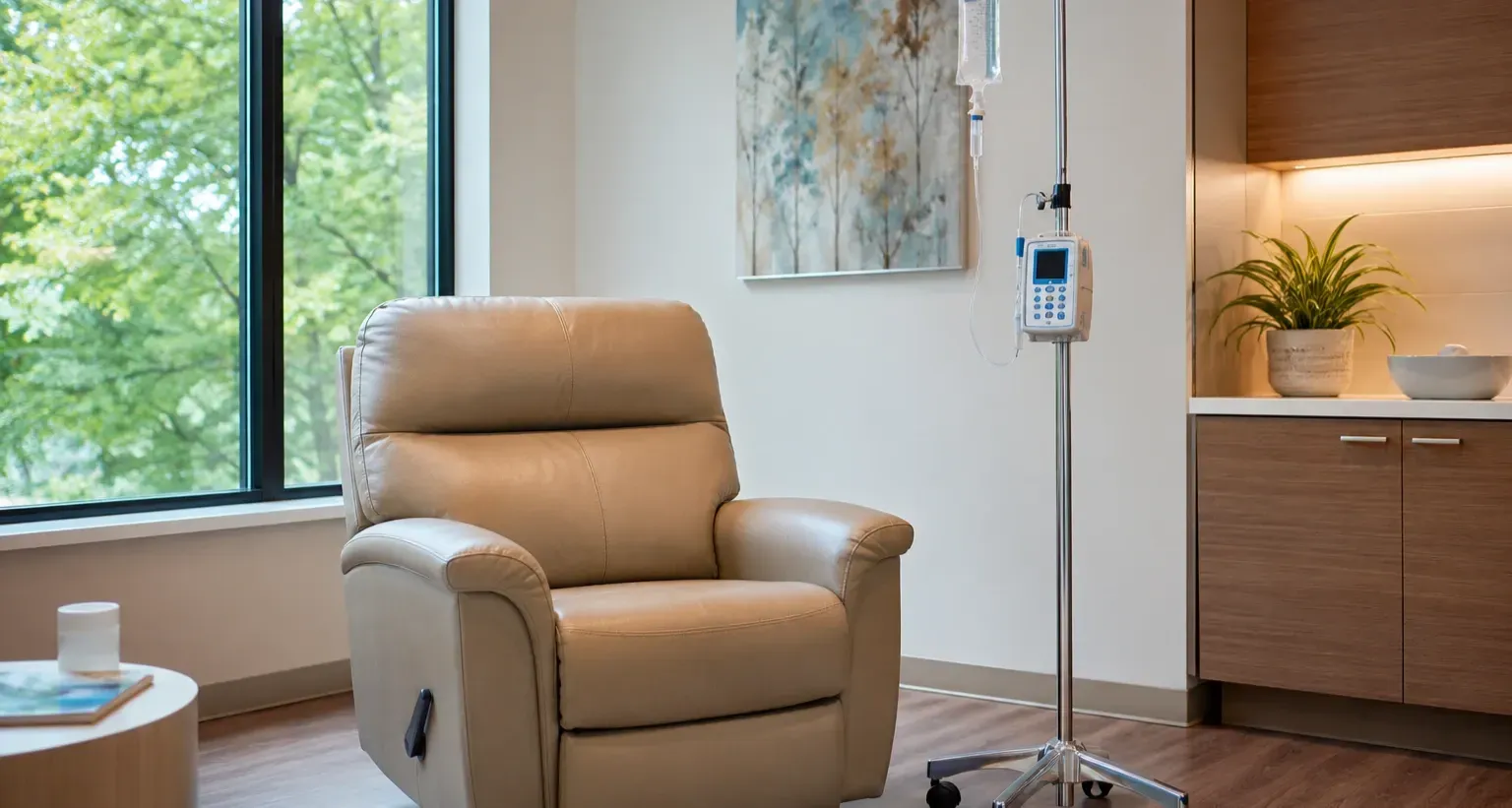
Hydration forms the foundation of human health. When exhaustion sets in or physical recovery stalls, the most common medical advice is simply to drink plenty of fluids. However, the science of cellular health has advanced significantly. People seeking rapid recovery and sustained energy are now looking beyond traditional methods. The medical and wellness communities frequently compare standard fluid intake to intravenous applications to determine which approach yields superior physiological results.
Understanding how the body absorbs liquids is necessary to make informed decisions about your physical health. We will examine the biological mechanisms behind traditional drinking and modern intravenous methods to see how each impacts your energy levels, physical recovery, and overall well-being.
The Anatomy of Digestion and Water Therapy
Traditional fluid intake is the baseline for survival. Engaging in regular water therapy involves drinking specific amounts of water throughout the day to maintain essential cellular function. When you drink a glass of water, the liquid enters your stomach and travels through your complex gastrointestinal tract. Your digestive system then processes the fluid, filtering it through the liver before it finally reaches your bloodstream.
This biological journey is slow and highly inefficient. The human digestive system only absorbs a fraction of the water and nutrients consumed orally. Factors like age, gastrointestinal health, metabolism, and even the current contents of your stomach dictate how much hydration actually reaches your cells.
For a healthy adult, the oral absorption rate hovers around half of what is ingested. The rest is simply expelled as waste. While drinking water remains strictly necessary for daily living, it is not always the most effective strategy for acute dehydration, intense physical recovery, or severe fatigue. The delay in absorption means your organs are waiting for relief while your stomach does the heavy lifting.
What is IV Drip Therapy and How Does It Work?
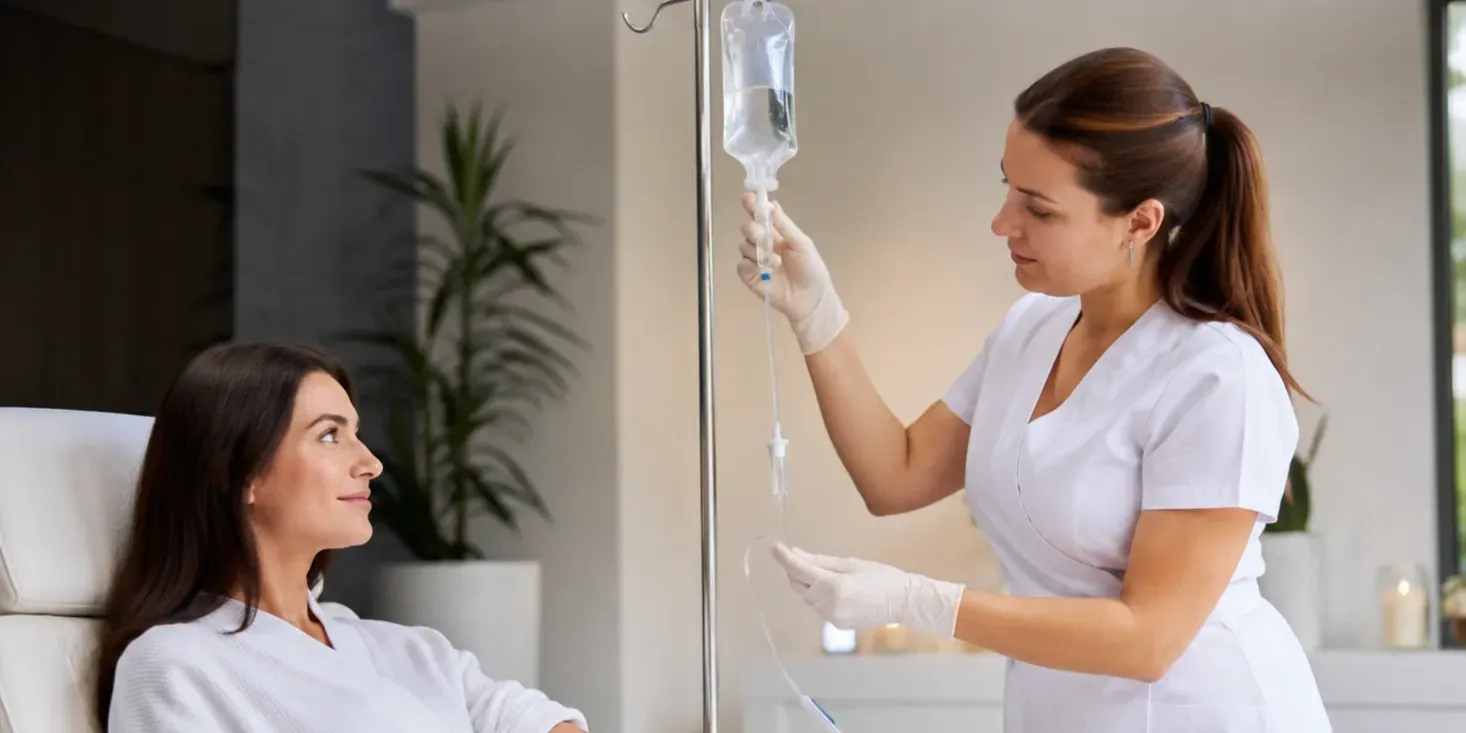
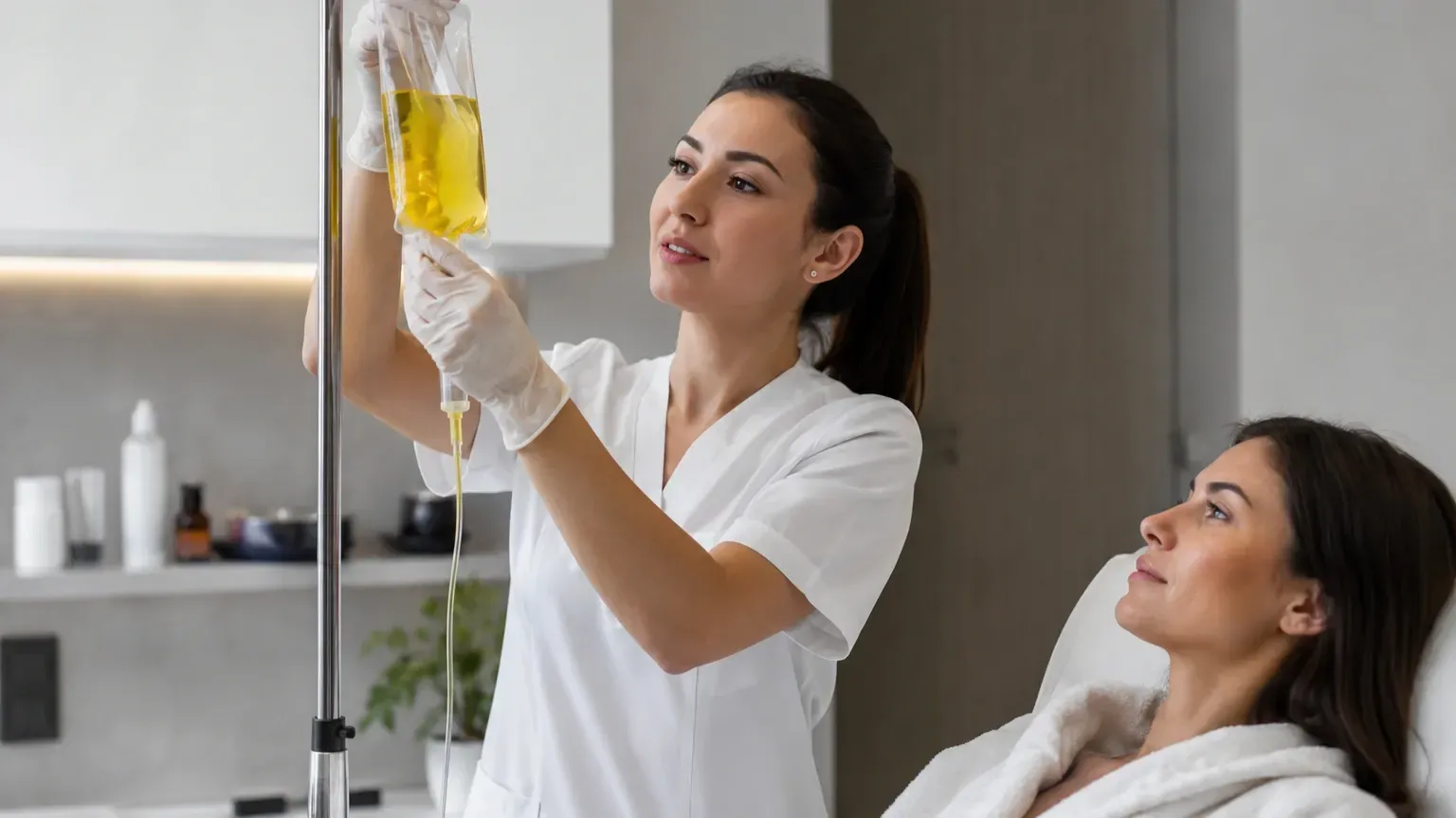
When you need immediate results, bypassing the digestive system entirely provides a profound advantage. An IV Drip delivers fluids, vitamins, and essential minerals directly into the vascular system. Because the intravenous route skips the stomach and liver, bioavailability reaches exactly one hundred percent. Every single drop of fluid and every milligram of vitamins is immediately accessible to your thirsty cells.
This direct delivery mechanism explains why patients feel an energy shift almost instantaneously. At Prime IV Hydration & Wellness Wall Township, we see clients ranging from active young adults to seniors experiencing the immediate benefits of this treatment. Whether you are an athlete recovering from a rigorous marathon, a professional dealing with chronic workplace stress, or someone trying to recover from a seasonal illness, the direct cellular delivery system provides unmatched efficiency.
Comparing the Benefits: IV Hydration vs. Water Therapy
To fully grasp the difference between these two approaches, we must look at speed, efficiency, and nutrient delivery. Drinking water takes hours to fully hydrate the tissues of the body. If you are already experiencing a headache, severe muscle cramps, or brain fog from dehydration, drinking a bottle of water will not provide immediate relief. Your body simply cannot process the liquid fast enough to reverse the symptoms on demand.
IV Drip Therapy fundamentally changes this timeline. The fluids enter the bloodstream immediately, expanding blood volume and delivering oxygen and nutrients to vital organs within minutes. Furthermore, standard drinking water contains only trace minerals at best. Intravenous treatments are customized with high doses of specific, targeted nutrients designed to force your cells into a state of optimal recovery.
Here is a detailed breakdown of how different hydration methods compare on a biological level.
| Hydration Method | Bioavailability Rate | Delivery Speed | Nutrient Capacity | Ideal Use Case |
|---|---|---|---|---|
| Traditional Drinking Water | 50% to 60% | 45 to 120 Minutes | Trace Minerals Only | Daily baseline health maintenance |
| Oral Sports Drinks | 60% to 70% | 45 to 120 Minutes | Low (Often high in sugar) | Mild post-workout replenishment |
| Intramuscular Injections | 100% | 24 to 48 Hours | Very High | Sustained weekly vitamin support |
| IV Hydration | 100% | Immediate | Extremely High | Rapid recovery, deep cellular energy |
Advanced Cellular Support with Niagen and Peptides
The conversation about hydration inevitably leads to a broader discussion about cellular energy. Water alone cannot repair damaged cells or optimize your metabolism. This is where specialized intravenous formulations and advanced therapeutics come into play. Hydration is the vehicle, but the nutrients are the ultimate payload.
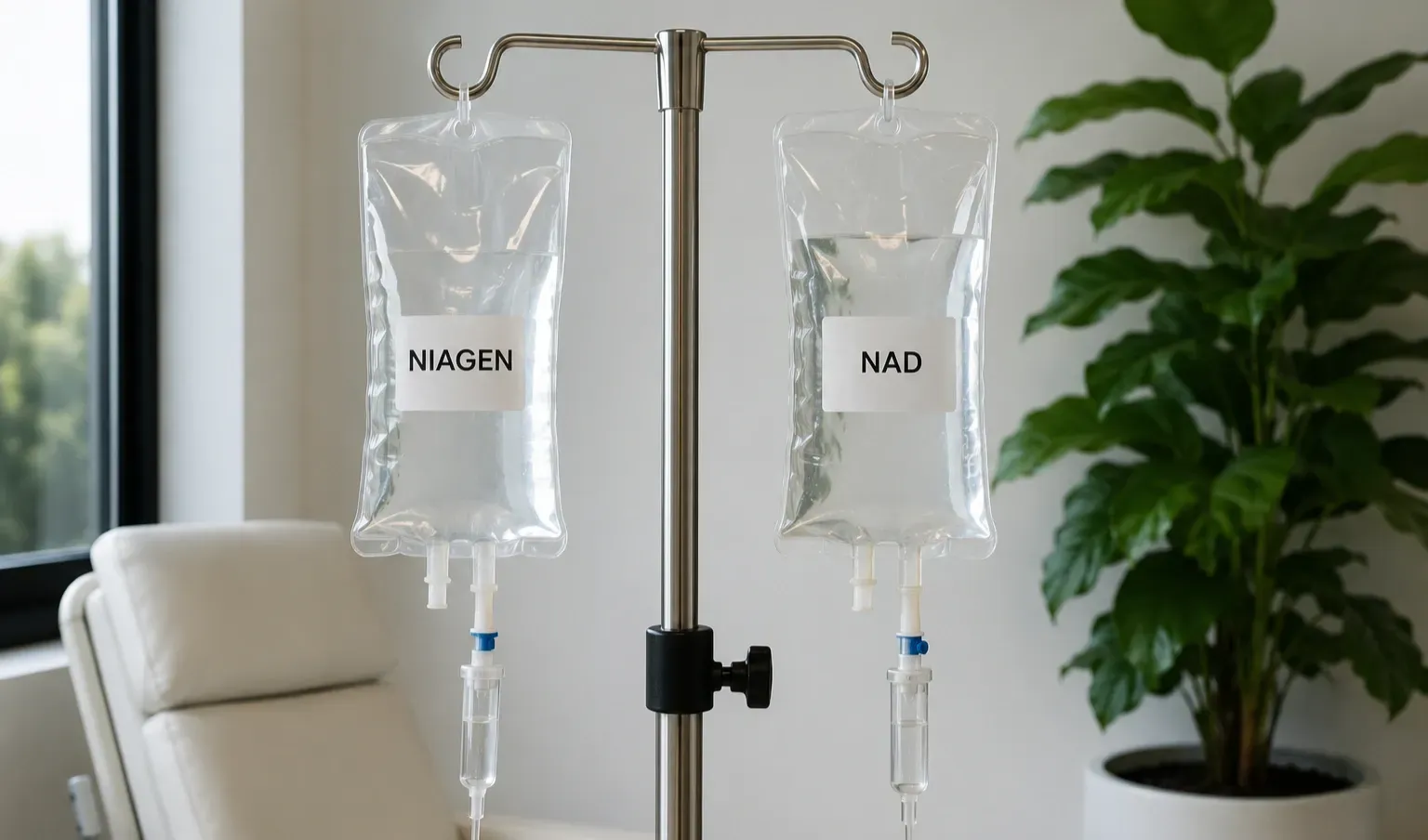
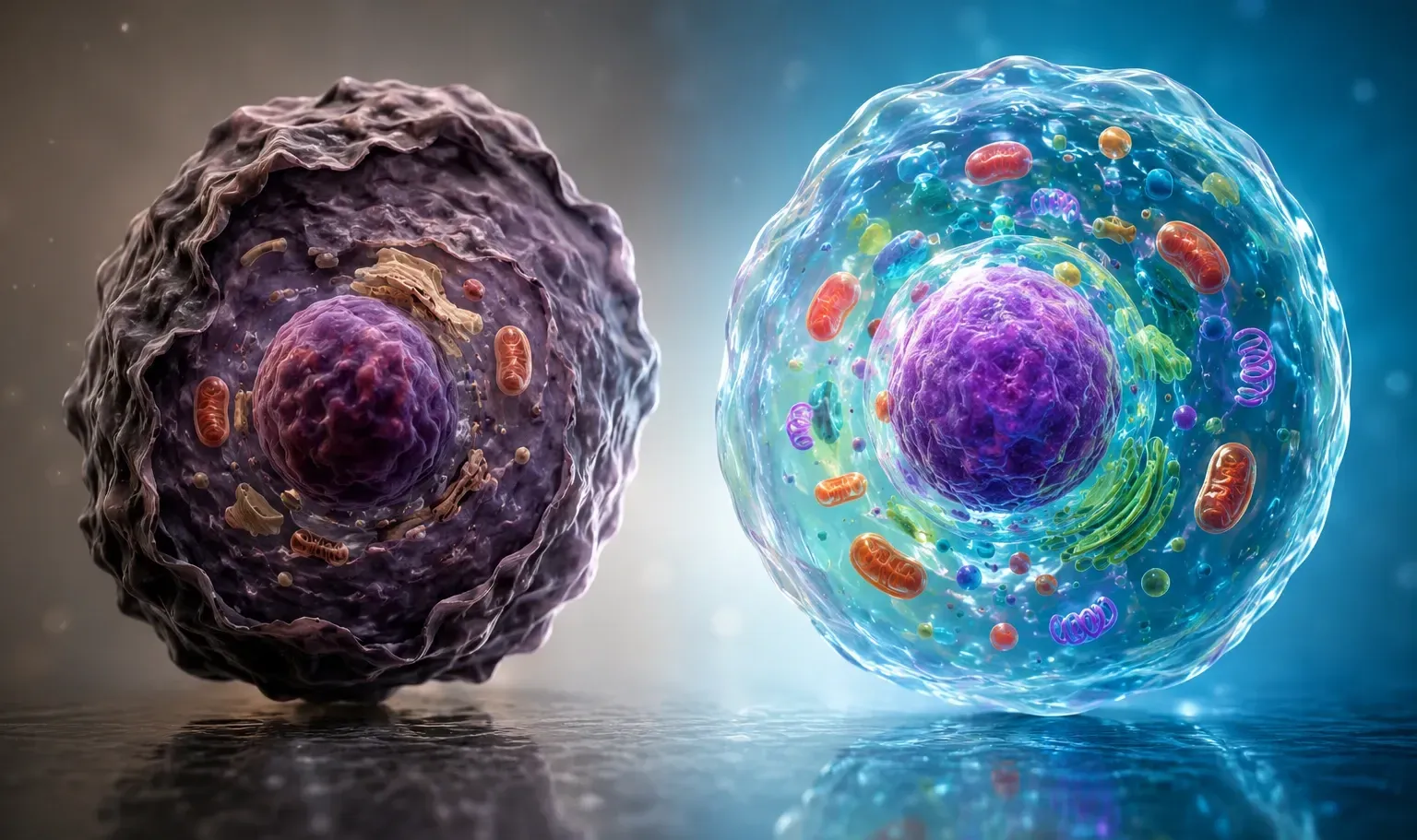
One of the most significant advancements in cellular energy is the use of NAD+ precursors. For individuals dealing with chronic fatigue or age-related energy decline, incorporating Niagen into a wellness routine offers profound benefits. Niagen works to boost NAD+ levels in the body. NAD+ is a critical coenzyme found in every living cell, responsible for converting nutrients into usable cellular energy. As we age, our natural NAD+ levels plummet. Combining direct hydration with Niagen protocols helps restore mitochondrial function, leading to sharper mental clarity and sustained physical stamina.
Similarly, targeted recovery requires more than just fluid replacement. Tissues, ligaments, and muscles require specific amino acid sequences to heal efficiently. This is the primary function of Peptide Therapy. Peptides are short chains of amino acids that act as signaling molecules within the body. They tell your cells to perform specific functions, such as producing human growth hormone, reducing systemic inflammation, or accelerating tissue repair. When combined with a highly hydrated cellular environment, peptides operate at absolute peak efficiency.
Boosting Energy and Recovery in Wall Township
Location and lifestyle play a massive role in our biological needs. Residents of Wall Township, NJ experience distinct seasonal changes that heavily impact systemic hydration levels. From humid East Coast summers that drain the body of critical electrolytes to dry, freezing winters that cause subtle and chronic dehydration, local environmental factors dictate how we should care for our bodies.
Active residents who frequent the Jersey Shore or engage in local sports leagues often find that standard water consumption simply cannot keep pace with their high activity levels. The sweat lost during a humid summer run contains sodium, potassium, and magnesium. Water cannot replace these lost minerals effectively.
Conversely, older adults in the Wall Township community often struggle with decreased thirst signals. This is a common biological change that occurs as the human body ages. This diminished thirst mechanism leads to chronic, low-grade dehydration that actively exacerbates joint pain, cognitive fatigue, and lethargy. Visiting a specialized clinic allows for a customized approach to these regional and age-related challenges. A professional assessment determines exactly which vitamins, minerals, and fluids your body lacks.
Making Your Choice for Optimal Wellness
Choosing between drinking water and scheduling an intravenous treatment is not about entirely replacing one with the other. A healthy, sustainable wellness routine requires a highly balanced integration of both methods.
Consistent daily fluid intake remains your foundational defense against dehydration. Carrying a water bottle and sipping steadily throughout the day keeps your baseline biological functions operating normally. When you face specific physical stressors, however, baseline defense is no longer enough to maintain optimal health. If you are recovering from a severe illness, preparing for an intense athletic event, fighting off jet lag, or actively combating the physical signs of aging, you need a far more powerful tool.
Intravenous treatments serve as that advanced tool. They provide a massive influx of hydration and nutrients precisely when your body is most depleted. By understanding the biological limitations of your digestive system and the immense power of direct bloodstream delivery, you can take control of your recovery and energy levels with absolute precision and confidence.
Frequently Asked Questions
How long does an intravenous hydration session typically take?
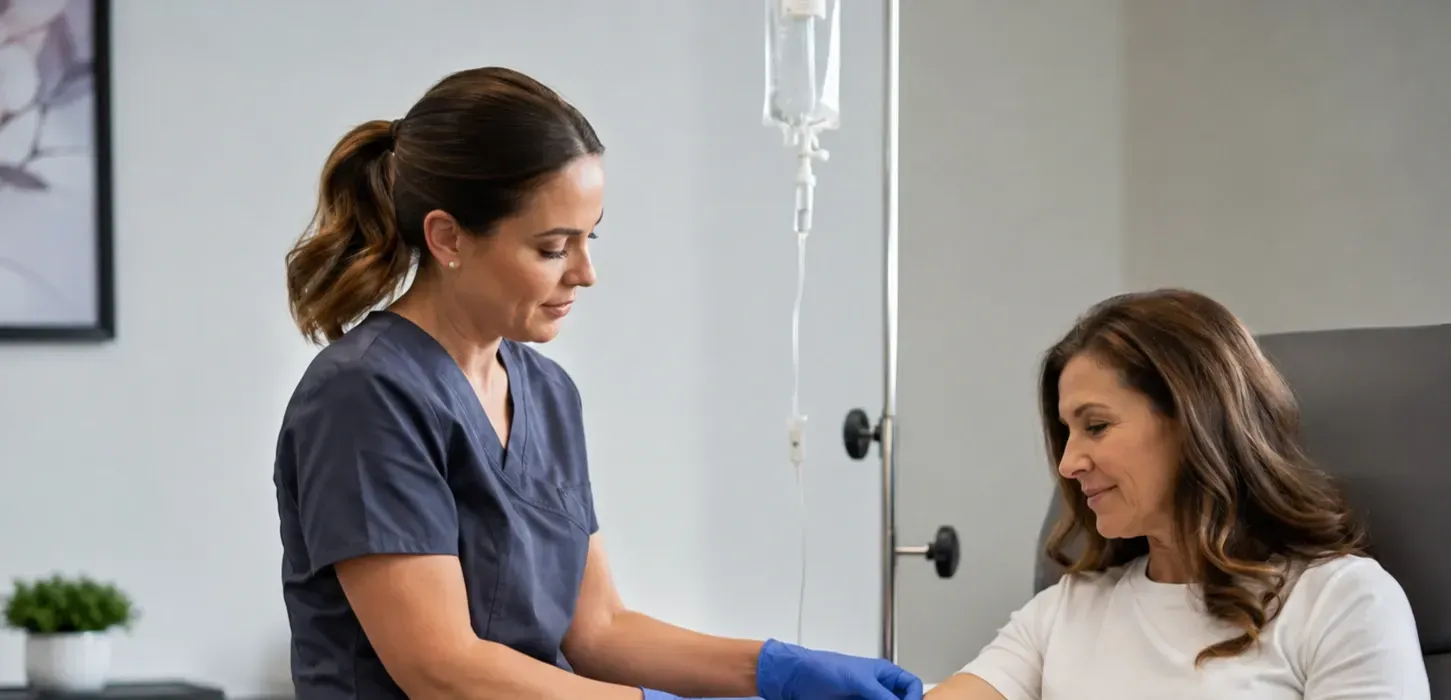
Most sessions take between forty-five minutes and one hour. During this time, the fluids and customized nutrients are slowly and safely administered directly into your bloodstream. Patients usually relax, read a book, or work on their laptops during the process, feeling the revitalizing effects before the session is even completed.
Is intravenous hydration safe for older adults?
Yes, intravenous therapy is highly beneficial for seniors. As people age, their natural thirst mechanisms weaken, and their digestive tracts become significantly less efficient at absorbing essential nutrients from food and oral supplements. Direct bloodstream delivery ensures older adults receive exact, measured doses of fluids and vitamins to actively support cognitive function, muscle retention, and joint health.
Can I get an intravenous treatment if I already drink plenty of water?
Absolutely. Even if you diligently consume a gallon of water daily, your body will still benefit from the high-dose vitamins and minerals included in a specialized drip. Oral water intake does not provide the massive concentration of Vitamin C, B-Complex vitamins, magnesium, or specific amino acids that a targeted intravenous treatment delivers directly to your living cells.